

Post-Storm Roof Inspection Checklist
The roof areas, exterior accessories, and interior evidence that belong in a complete post-storm review.
Read guideResidential roofing service
A useful roof inspection explains what was observed, why it matters, and what should happen next. It should distinguish urgent exposure from routine maintenance and avoid turning every condition into a replacement recommendation.

Warning signs
Quick facts
Our process
The exact scope changes by property, but the decision process stays consistent.
Review the property history and homeowner concerns
Inspect accessible exterior roof components
Check visible interior or attic evidence when included
Deliver findings, photos, priorities, and next-step options

Scope options
Final production content should name the real materials, warranty options, crew qualifications, and limitations offered by the contractor.
Common questions
It should identify the inspected areas, visible conditions, supporting photographs, limitations, and prioritized recommendations.
No. A roofing contractor can document roof conditions and prepare a repair scope. The insurance carrier determines policy coverage and settlement.
Service areas
Related guidance
The roof areas, exterior accessories, and interior evidence that belong in a complete post-storm review.
Read guide
A homeowner checklist for local presence, insurance, scope clarity, communication, and verifiable credentials.
Read guideRelated services
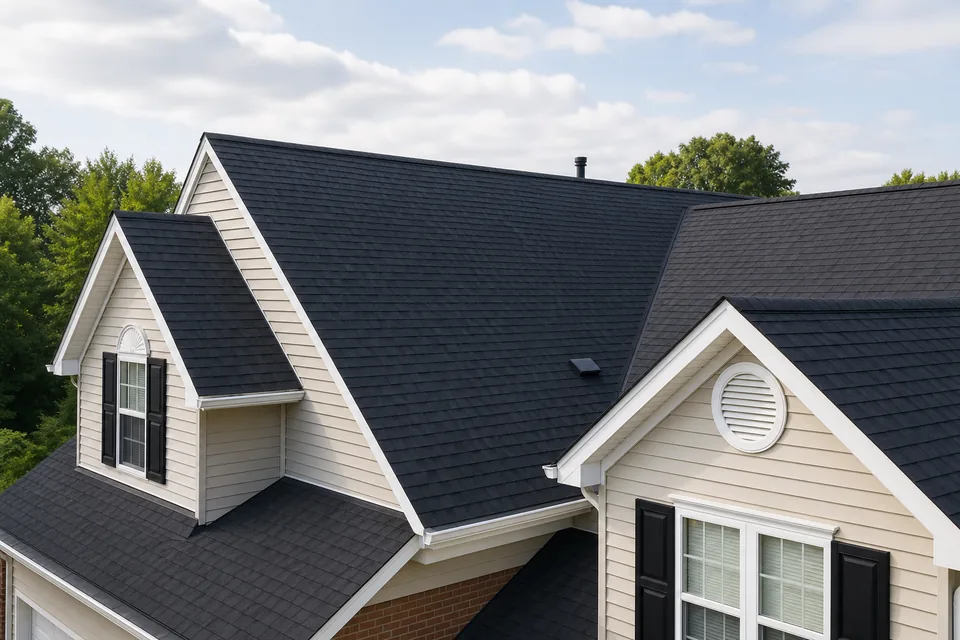
Targeted repairs for shingles, flashing, vents, valleys, and other isolated roofing problems.
Explore service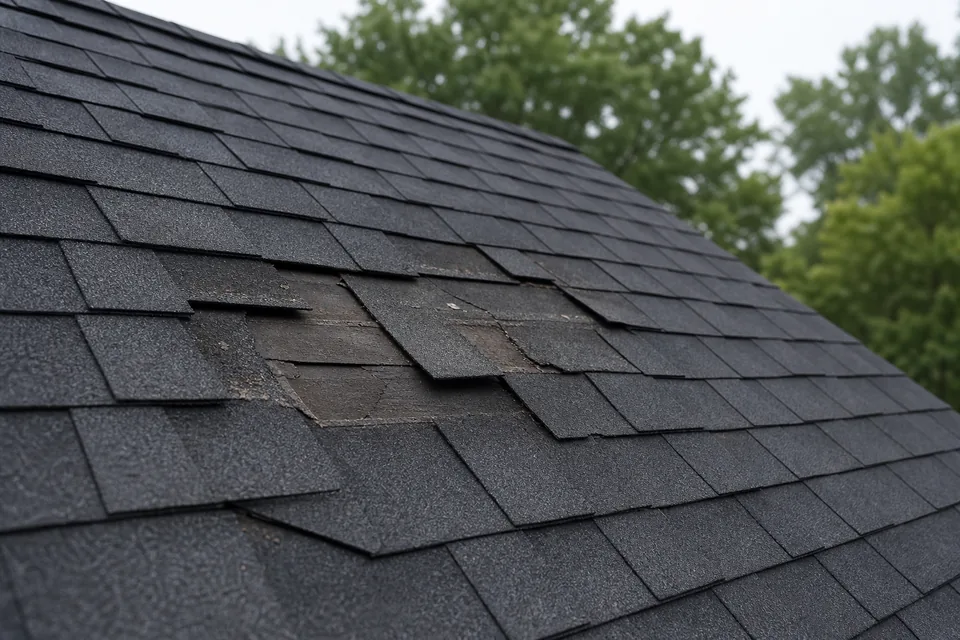
Inspection, emergency protection, documentation, and repairs after wind, rain, hail, or falling debris.
Explore service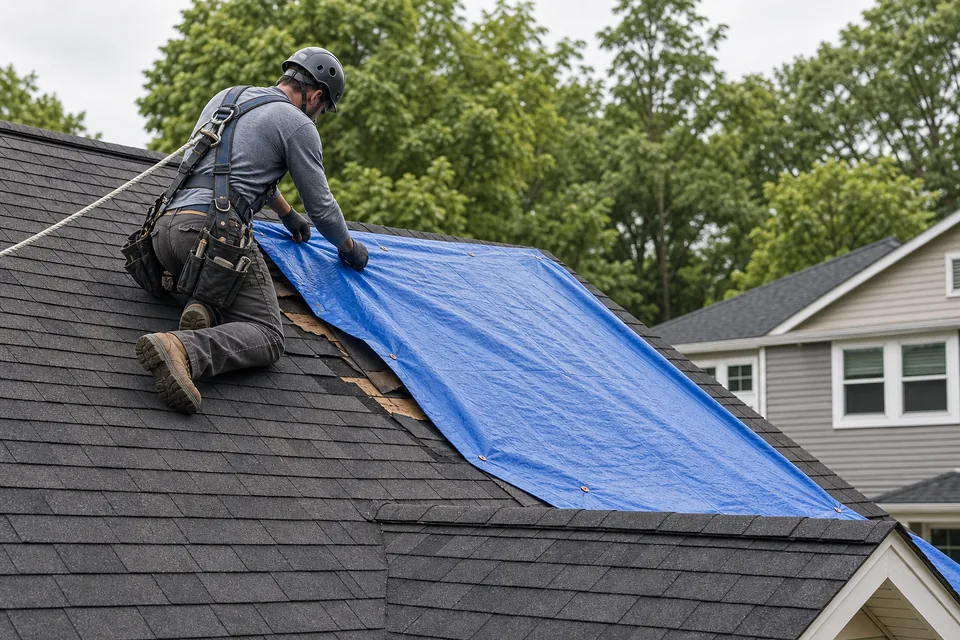
Temporary weather protection designed to limit additional exposure until permanent repairs can be completed.
Explore serviceResponsive roofing help
Start with a documented inspection and a clear next step.