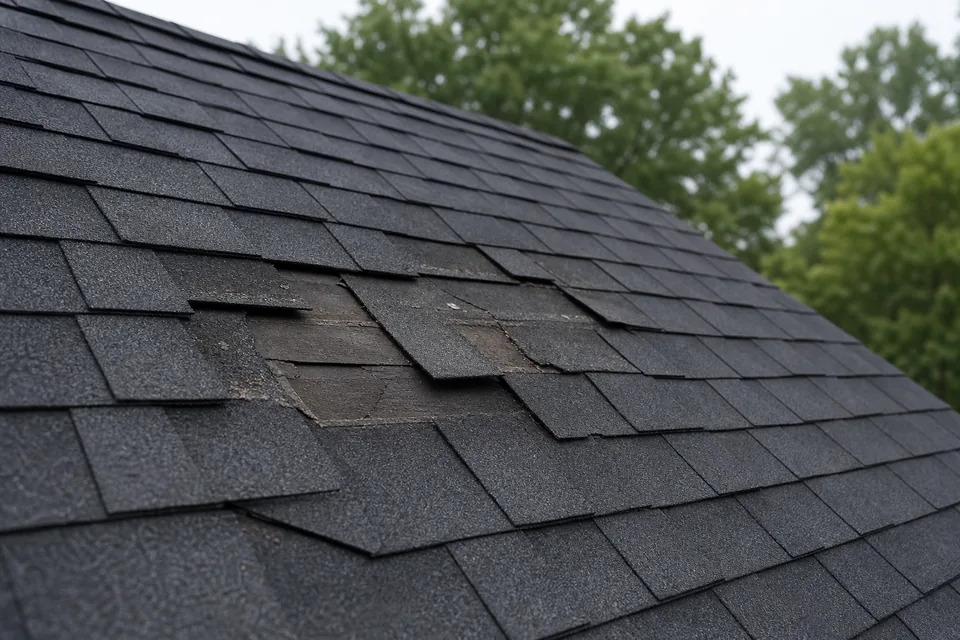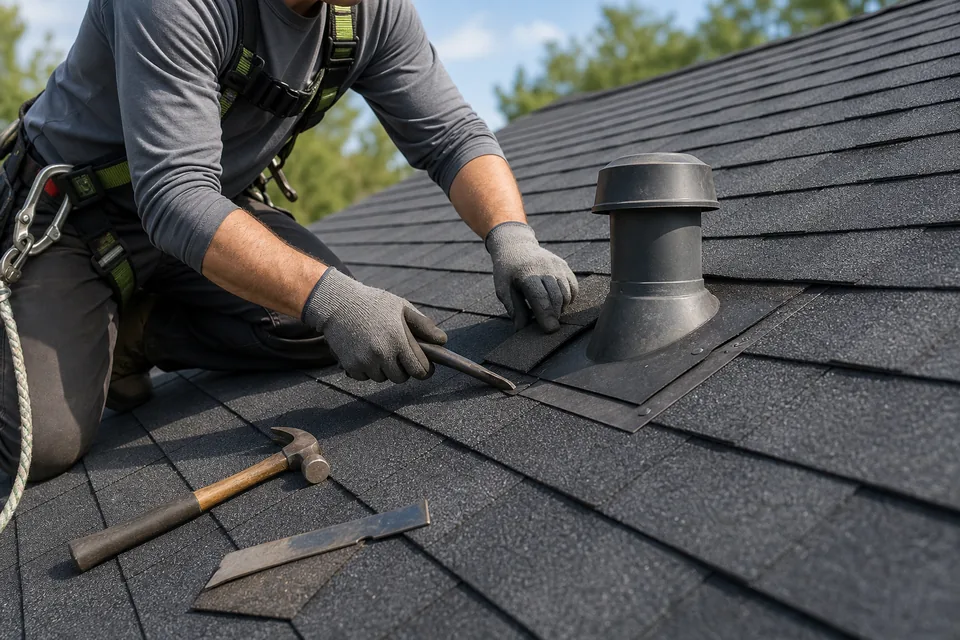

Storm damage ranges from obvious missing shingles to subtle creases, displaced granules, and disturbed flashing. Start with safe observations from the ground and inside the home; leave roof access to trained professionals.
What you can safely check from the ground
Look for changes that were not present before the storm. Compare roof slopes, ridge lines, gutters, vents, and the area around the home.
- Shingles or roofing debris on the ground
- Uneven shingle tabs or exposed roof areas
- Dented gutters, vents, or downspouts
- Tree limbs resting on or near the roof
Interior signs that need prompt attention
New stains, damp insulation, musty odors, or dripping after rain can indicate active water entry. Move belongings away from the area if it is safe and avoid touching wet electrical fixtures.
Why a professional inspection matters
A close inspection can distinguish storm-related conditions from age, maintenance, or installation issues and provide a documented repair path.