
Water is entering
Active dripping, ceiling stains, damp decking, or a suspected roof leak.
Learn moreResidential roofing services
Seven intent-specific service pages cover routine repair, storm response, urgent mitigation, active leaks, replacement, hail and wind conditions, and documented inspections.
Find the right starting point
Every path leads to a focused service page with signs, scope, process, FAQs, related guidance, and local service links.
Active dripping, ceiling stains, damp decking, or a suspected roof leak.
Learn moreWind, hail, fallen debris, or newly missing and lifted shingles.
Learn moreAn opening needs temporary weather protection before permanent work.
Learn moreA limited shingle, flashing, vent, ridge, or valley problem.
Learn moreWidespread wear, recurring repairs, or a planned replacement decision.
Learn moreStart with a documented roof inspection and prioritized findings.
Learn moreComplete service architecture
The primary image from every card is reused on its detail page for consistent visual identity and efficient crawling.
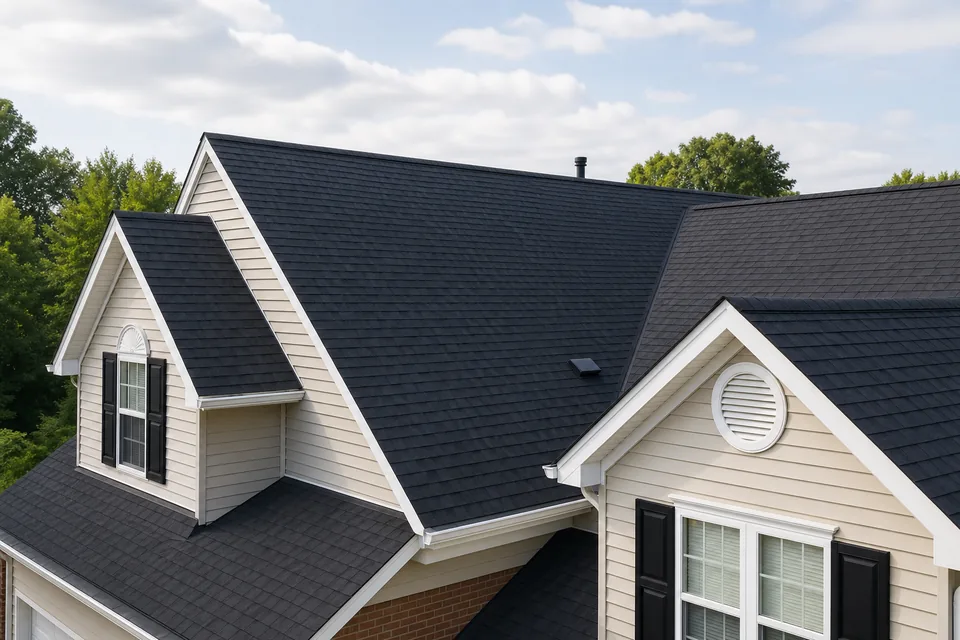
Targeted repairs for shingles, flashing, vents, valleys, and other isolated roofing problems.
Explore service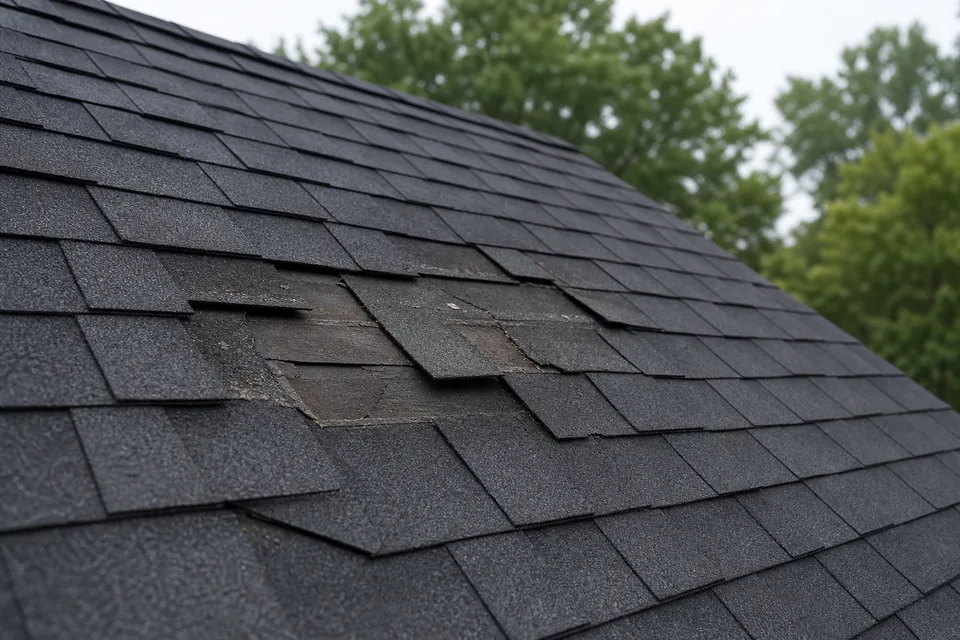
Inspection, emergency protection, documentation, and repairs after wind, rain, hail, or falling debris.
Explore service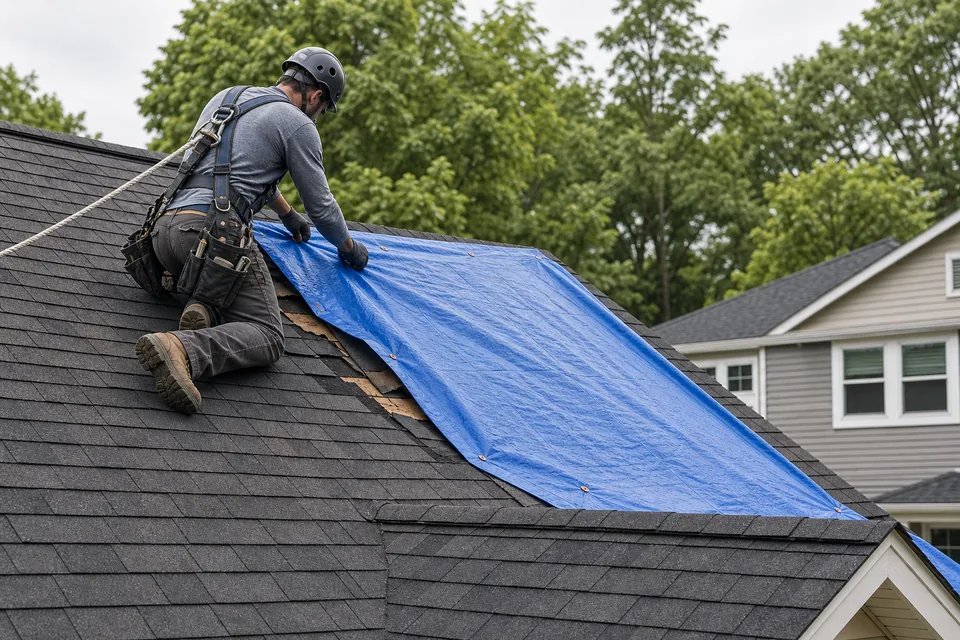
Temporary weather protection designed to limit additional exposure until permanent repairs can be completed.
Explore service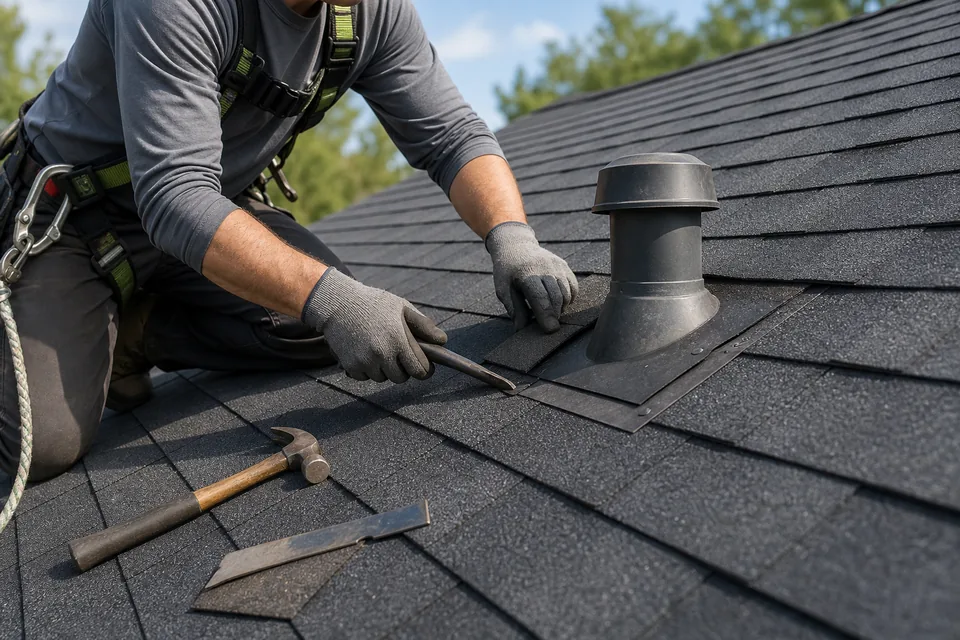
Source-focused diagnosis and repair for active leaks, recurring stains, and hidden water entry.
Explore service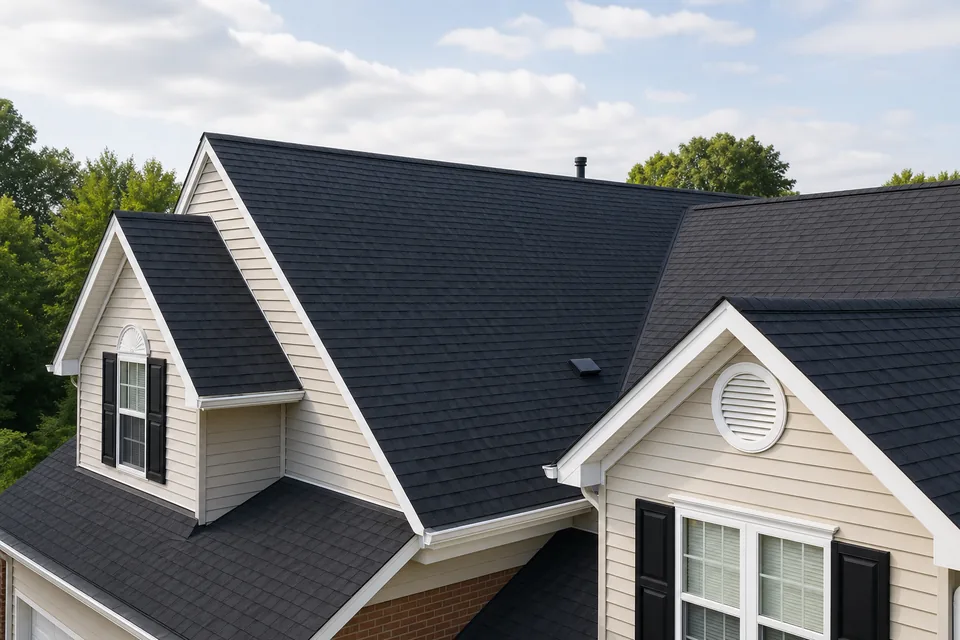
A complete roofing system designed around the home, local climate, ventilation, and manufacturer requirements.
Explore service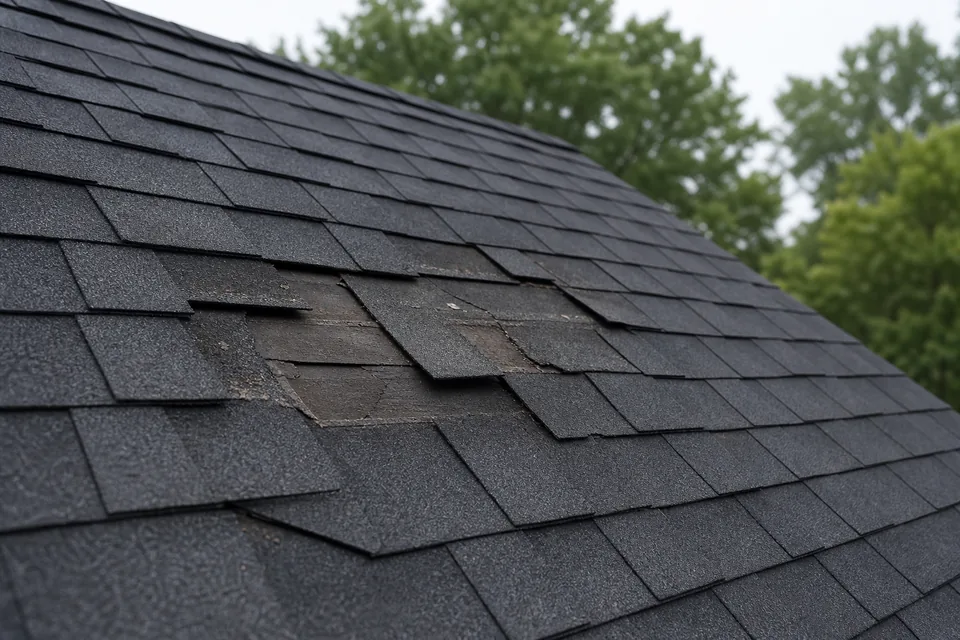
Detailed assessment and repair of shingles, ridge caps, flashing, vents, and roof accessories affected by severe weather.
Explore service
A documented assessment of shingles, flashing, penetrations, drainage, ventilation, and visible interior evidence.
Explore serviceRepair or replace?
Evaluate shingles, transitions, drainage, ventilation, and interior evidence.
Record the condition, limits, urgency, repairability, and available options.
Weigh repair scope, roof age, surrounding condition, and long-term value.
Protect the property, perform the agreed work, clean up, and verify.
Insurance documentation
A contractor can inspect, photograph, measure, and price roofing work. The insurance carrier decides whether policy coverage applies. This distinction should stay clear on every service and resource page.
Read the documentation guide →Roof system
The detail pages create room to explain how surface materials, water-shedding details, ventilation, drainage, and the underlying deck work together.
Shingle condition, matching, exposure, fastening, and manufacturer requirements.
Underlayment, valleys, flashings, penetrations, walls, and edge details.
Intake, exhaust, heat, moisture, and compatibility with the existing assembly.
Roof slope, gutters, downspouts, debris paths, and controlled water discharge.
Workmanship & warranties
Service pages should separate manufacturer material coverage from contractor workmanship coverage and explain exclusions, transfer rules, registration steps, and maintenance requirements.
Local proof
A credible local project record includes an authentic review, completion date, service performed, and permission to publish.
Service areas
Location pages add unique local risks, neighborhoods, ZIP references, guidance, services, and FAQs without creating thin service-by-city combinations.
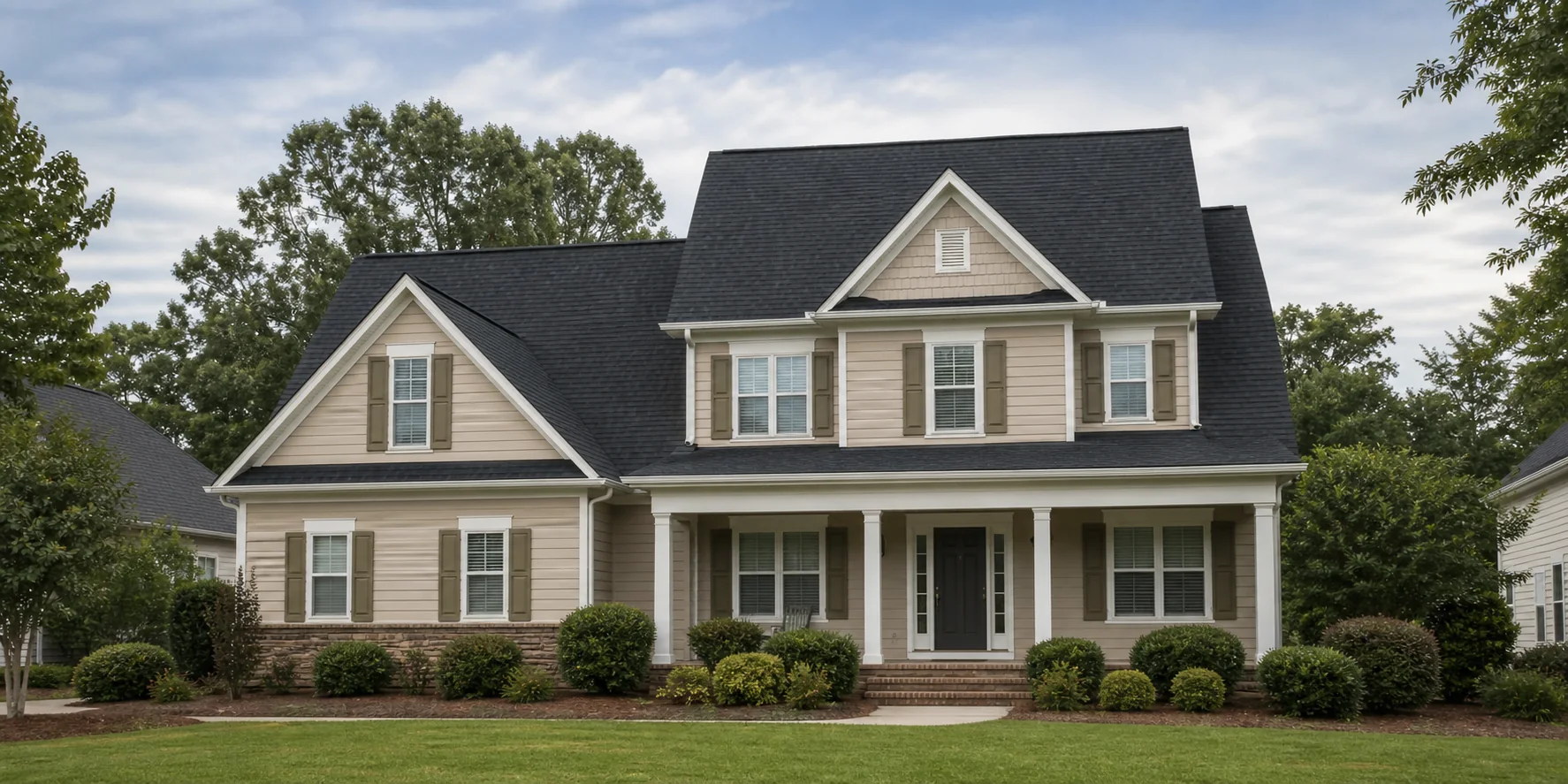
Roof repair, storm inspection, emergency tarping, and replacement for established Cary neighborhoods and newer communities.
View location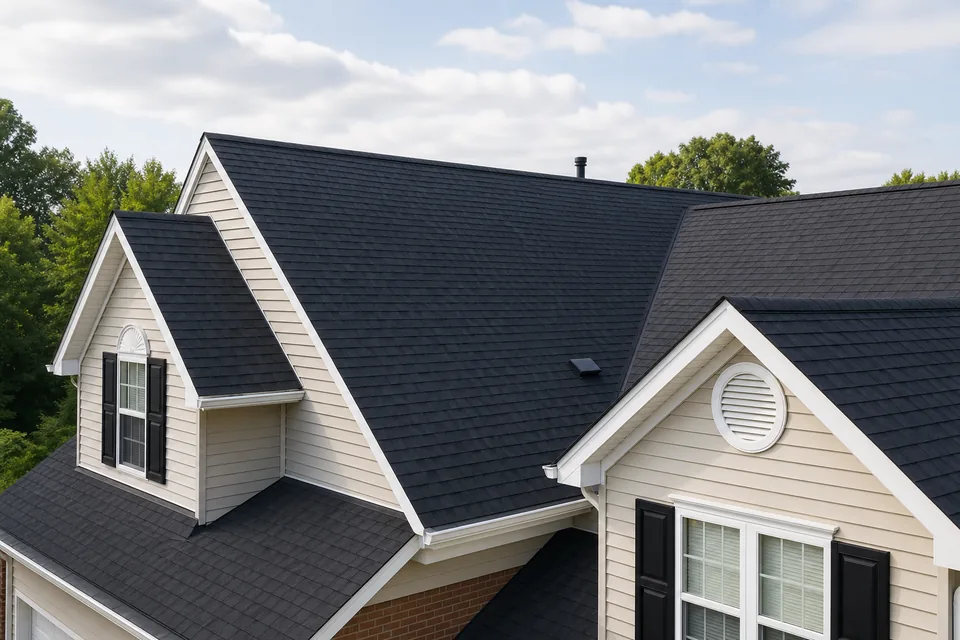
Local roofing support for Apex homes, from post-storm inspections to targeted repairs and full system replacement.
View location
Inspection-first roofing for Wake Forest properties exposed to storms, mature trees, and varied residential roof designs.
View location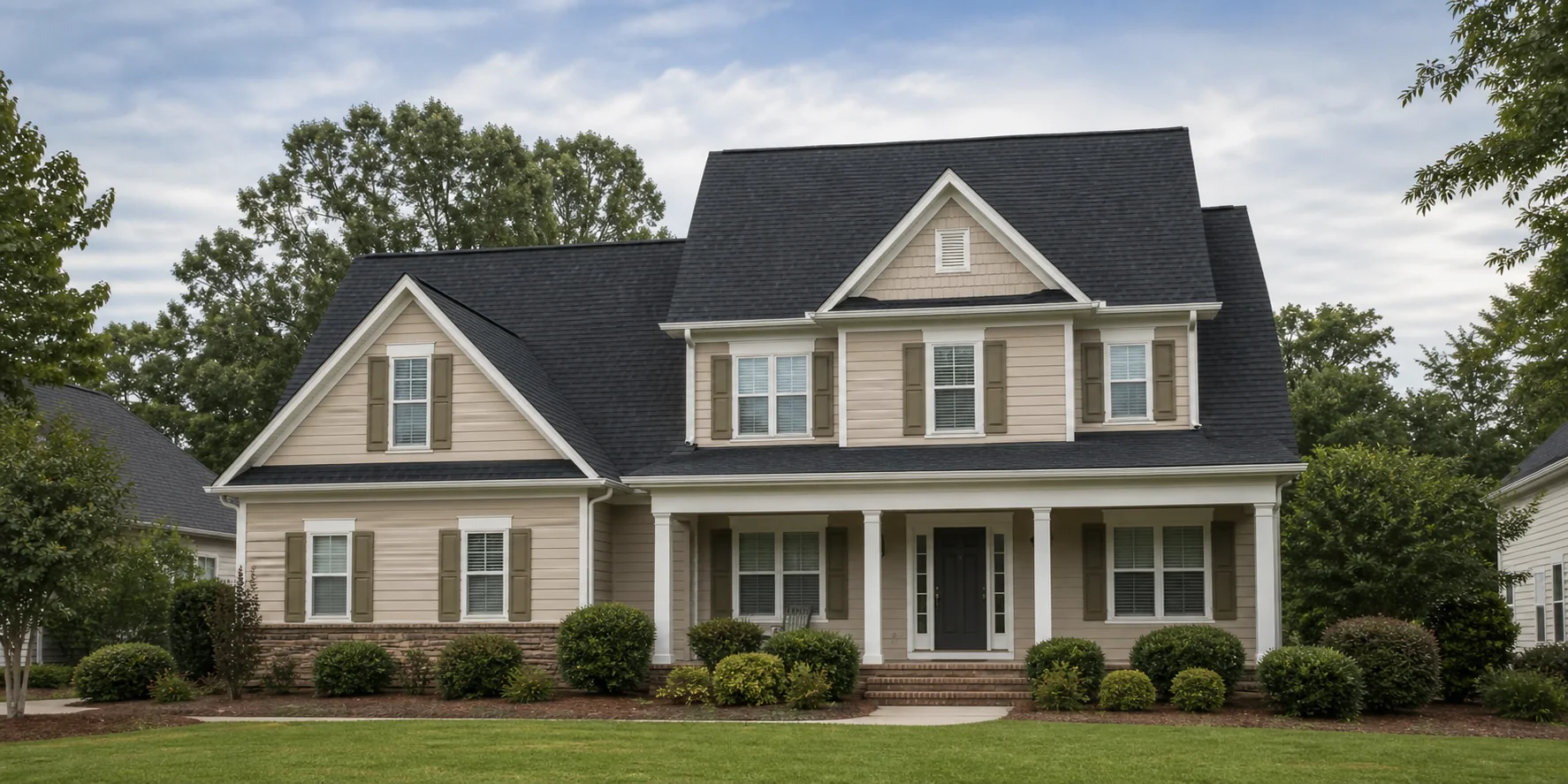
Responsive roofing service for Garner homeowners dealing with active leaks, storm damage, aging shingles, or replacement planning.
View location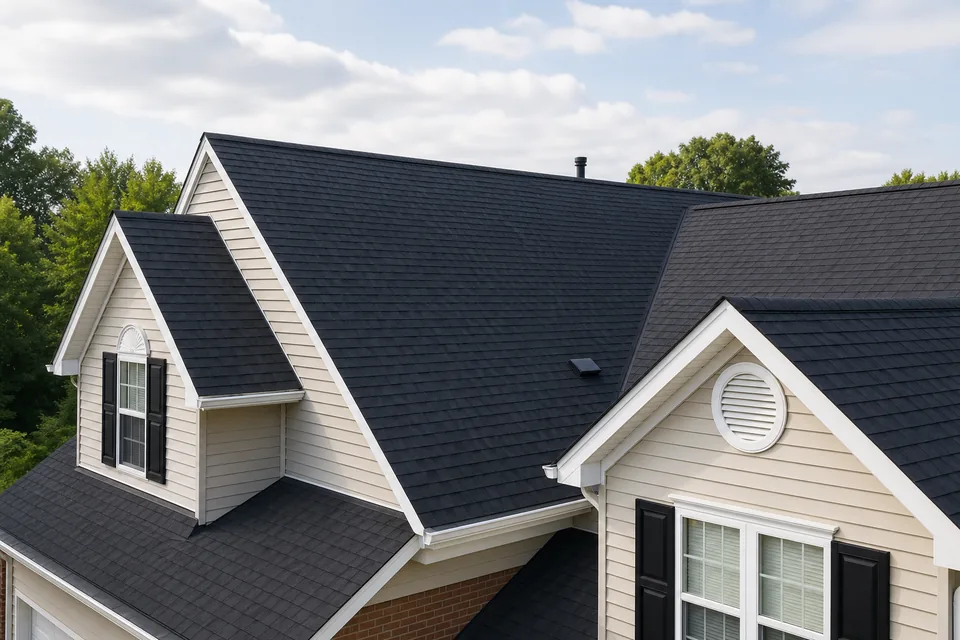
Roof inspections, repairs, emergency protection, and replacement options for Holly Springs homes and growing communities.
View locationRoofing FAQs
Keep people away from wet electrical fixtures or sagging ceilings, move belongings when it is safe, collect the water, and call for professional help. Do not climb onto a wet or damaged roof.
Learn moreNo. It is temporary mitigation intended to limit additional exposure until a permanent roof repair can be completed.
Often, yes. The answer depends on the source, roof age, surrounding condition, material availability, and whether failures are isolated or widespread.
Learn moreWater can travel along decking, rafters, insulation, and fasteners before becoming visible. That is why source tracing matters.
Compare the damage extent, cause, roof age, prior repairs, surrounding condition, material match, and expected remaining service life.
Learn moreResponsive roofing help
Start with a documented inspection and a clear next step.